
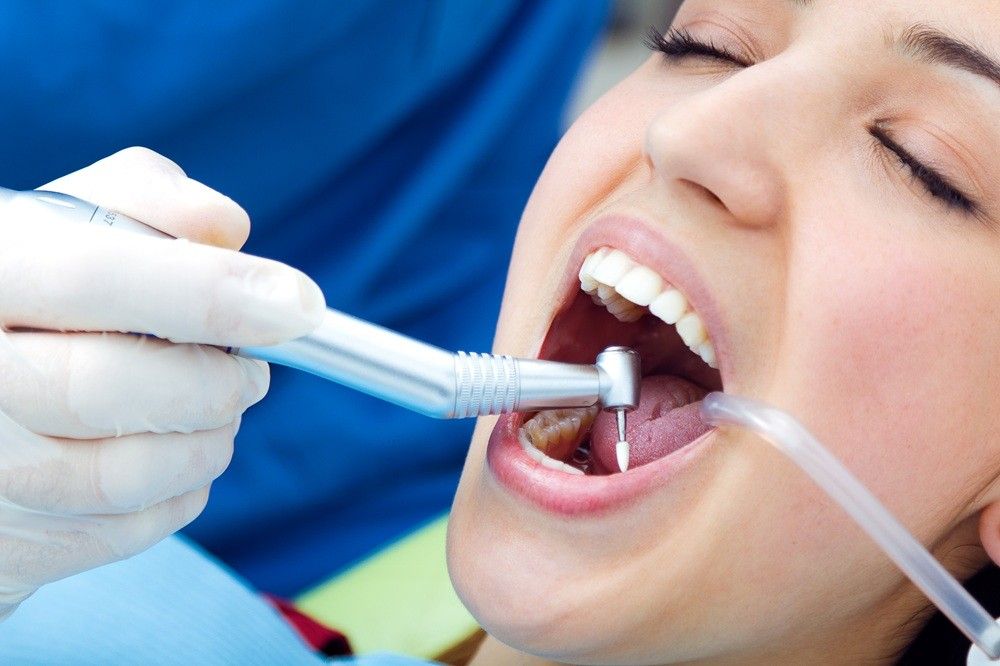
Have you ever wondered why your teeth feel so incredibly smooth after a visit to the dental clinic? Even if you are great at brushing and flossing every single morning, your mouth still needs a deeper level of care to stay healthy. Finding quality dental cleanings near you is the ideal way to ensure that your smile stays bright and your gums stay strong. These appointments are designed to reach the hidden spots that a regular toothbrush cannot handle on its own.
What Exactly Is Plaque and How Does It Form?
Plaque is a sticky, invisible layer of bacteria that constantly grows on your teeth. Every time you eat a snack or drink something with sugar, the bacteria in your mouth create acid. This acid can attack your tooth enamel and lead to cavities. If you don’t brush it away, it stays on your teeth and starts to cause problems. A dentist will check for these sticky spots during every exam to make sure your enamel remains thick and protected.
How Does Plaque Turn Into Hard Tartar?
When plaque stays on your teeth for more than a day or two, it mixes with the natural minerals in your spit. This change turns the soft, sticky film into a rock-hard substance known as tartar. You cannot get rid of tartar with a toothbrush or floss at home, even if you scrub very hard. It sticks to your teeth like superglue, often hiding right along the gum line where it can make your gums red and sore.
What Tools Do Professionals Use to Clean Your Teeth?
When you visit a dentist, the team uses specialized equipment to break apart that hard tartar. One common tool is called a scaler, which is a small metal instrument with a curved tip. The team cleaning your teeth uses it to gently scrape away the buildup without hurting your enamel. They might also use an ultrasonic tool that vibrates very quickly and uses a stream of water to wash away the debris.
- Scalers: These hand tools are perfect for getting into tight gaps between teeth.
- Ultrasonic Cleaners: These use sound waves to shake tartar loose very efficiently.
- Mirrors: Small, angled mirrors allow the team to see the back of every tooth clearly.
- High-Powered Suction: This tiny vacuum removes water and old plaque from your mouth instantly.
Why is Polishing a Necessary Step?
After the hard buildup is gone, your teeth might still have some rough spots or surface stains from food and drinks. The next step in the process involves a small electric polishing brush and a special kind of gritty toothpaste. This gritty paste helps to scrub the surface of each tooth until it is perfectly shiny. Having smooth teeth makes it much harder for new plaque to stick to them in the future. It is one of the most satisfying parts of getting a professional cleaning.
How Does Flossing at the Clinic Help?
Even if you floss at home, having a professional do it is different. They can reach all the way to the back of your mouth and use the right amount of pressure to clean deep between the teeth. This step ensures that every last bit of polishing paste and loosened plaque is removed. It also gives the dentist near you a chance to see if your gums bleed easily, which can be a sign that you need to floss more often at home.
Is the Cleaning Process Important for Your Heart?
Keeping your mouth clean actually helps the rest of your body stay healthy. If your gums are constantly fighting off bacteria from tartar, it can cause inflammation throughout your entire system. By visiting a dentist in Mill Woods twice a year, you are lowering the amount of bad bacteria that enter your bloodstream. A healthy mouth is a big part of having a healthy heart and a strong immune system.
What Should You Do Between Your Visits?
A professional cleaning is a great reset for your mouth, but the work continues at home. To keep the results lasting as long as possible, focus on a few simple habits. Brushing for a full two minutes ensures you hit every surface. Using a fluoride toothpaste helps to repair tiny bits of damage to your enamel before they turn into holes.
- Brush Twice Daily: Morning and night are the most important times to clean.
- Daily Flossing: This keeps the spaces between your teeth free of food.
- Limit Sugary Snacks: Bacteria love sugar, so eating less of it keeps plaque away.
- Drink Water: Water helps wash away food and keeps your saliva flowing well.
Gentle Care for Healthier Smiles
Your journey to a healthier smile starts with a simple visit. Our expert team is ready to provide the gentle care you need to keep your teeth and gums in top shape. Whether it has been a few months or a bit longer since your last checkup, we are here to support your dental health goals without any judgment.
Schedule your visit today at Chime Dental.
Frequently Asked Questions
Does a professional cleaning take a long time?
Most appointments for a standard cleaning take about 45 to 60 minutes. This includes the exam, the scaling to remove tartar, the polishing, and the final flossing.
Why do my teeth feel sensitive to cold after a cleaning?
If you had a lot of tartar buildup, your teeth might feel a little sensitive once it is removed because the “shield” of tartar is gone. This feeling usually disappears in a day or two as your teeth adjust.
Can a cleaning fix a cavity that already exists?
No, a cleaning only removes the bacteria and buildup that cause cavities. If a hole has already formed in the tooth, you will need a filling to repair the damage and stop it from getting worse.
Is it okay to eat right after my cleaning is finished?
Usually, yes! However, if you received a fluoride treatment at the end of your visit, you might be asked to wait 30 minutes before eating or drinking anything hot so the treatment can soak in.