
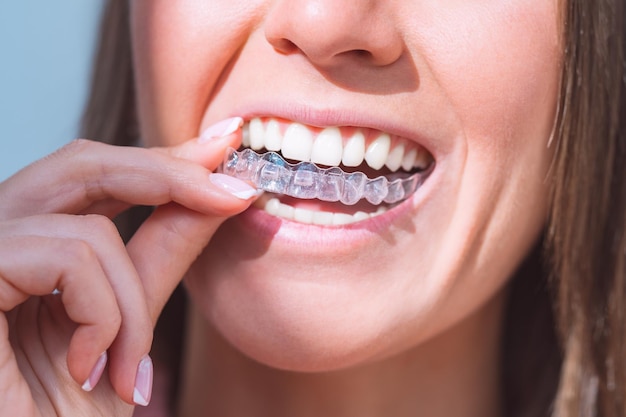
Your Invisalign treatment is finished. Your teeth are straight. Now comes the most important part — keeping your teeth straight after Invisalign. Many people do not realize that the work does not stop when you finish wearing your aligners. Your teeth naturally want to move back to their old positions. A retainer stops this from happening.
Understanding why retainers are so important helps you protect your investment. This guide explains everything you need to know about retainers after Invisalign treatment.
What Happens After Your Last Aligner?
When you finish wearing your last Invisalign tray, your teeth are straight. You feel excited and proud. But your teeth are not done changing yet.
Your teeth have memory. They remember where they came from. Without something holding them in place, they slowly drift back to their original positions.
This is why the Invisalign retention phase is just as important as wearing the aligners. Without a retainer, all your hard work disappears.
Why Retainers Are Essential
Invisalign in Mill Woods clinics emphasize retainers because they are necessary.
A retainer holds your teeth in their new straight positions. It prevents them from shifting back. Without a retainer, your teeth move within weeks or months.
Teeth shifting happens slowly. You might not notice it at first. But over time, your teeth get crooked again.
Types of Retainers
Your dentist offers different retainer options.
Fixed retainers are thin wires bonded to the back of your teeth. They are permanent — you cannot remove them. They work 24/7 to keep your teeth straight.
Removable retainers are made of clear plastic, wire, and acrylic. You wear them at night or as your dentist at the dental clinic near you recommends. You can take them out to eat and clean your teeth.
Many people use both types. A fixed retainer keeps your front teeth stable. A removable retainer provides extra support.
How Long You Need to Wear a Retainer
Your dentist tells you exactly how long to wear your retainer.
The first few months are critical. During this time, your teeth are still adjusting to their new positions. Wear your retainer constantly — usually all day and night except when eating.
After several months, you typically switch to wearing your retainer only at night. Most people wear a retainer for many years—sometimes for life.
The longer you wear your retainer, the more stable your results are.
Caring for Your Retainer
At a dental clinic in Mill Woods, your dentist teaches you proper retainer care.
If you have a removable retainer, clean it daily with a soft toothbrush and mild soap. Do not use hot water — it can warp the plastic.
Soak your retainer in a cleaning solution several times per week. Store it in a protective case when not wearing it.
For fixed retainers, brush and floss carefully around the wire. Keep the area clean to prevent decay.
What Happens If You Skip Your Retainer
Skipping your retainer causes your teeth to move backward.
After a few weeks without a retainer, you notice your teeth feel different. They might feel crowded or shifted.
After months without a retainer, your teeth have moved significantly. Your bite changes. Your teeth look crooked again.
At this point, you might need braces or aligners again to straighten them. This costs time and money.
Protect Your Straight Smile
Your Invisalign treatment straightened your teeth. Your retainer keeps them straight. Both are equally important.
Wearing your retainer is simple. It takes minimal effort compared to wearing aligners. The payoff is a straight smile for life.
At Chime Dental, our team emphasizes the importance of retainers and provides retainers that fit perfectly. We monitor your teeth during regular visits to ensure they stay straight. Book your retainer fitting appointment with us today and protect your beautiful new smile.
Frequently Asked Questions
Q1. Can I stop wearing my retainer after a certain time?
You should wear your retainer for many years—often for life. Even after years, your teeth can shift if you stop wearing it. Ask your dentist about your specific timeline.
Q2. What if I lose my removable retainer?
Contact your dentist right away. They can make a new one. In the meantime, wear any other retainers you have to prevent your teeth from shifting.
Q3. Does a fixed retainer ever need to be replaced?
Fixed retainers can last many years. If the wire breaks or becomes loose, your dentist repairs or replaces it.
Q4. Can I wear my Invisalign aligners instead of a retainer?
No, aligners are designed for treatment, not retention. They do not hold your teeth as effectively as a proper retainer.
Q5. How do I know if my teeth are shifting?
Your teeth may feel crowded or uncomfortable. Your bite might feel different. Your retainer might feel tighter. See your dentist if you notice any changes.